Science Shows That Drone Inspections Are 80% Faster and Cheaper Than Manual Inspections
Blog
24 July 2026
Science Shows That Drone Inspections Are 80% Faster and Cheaper Than Manual Inspections
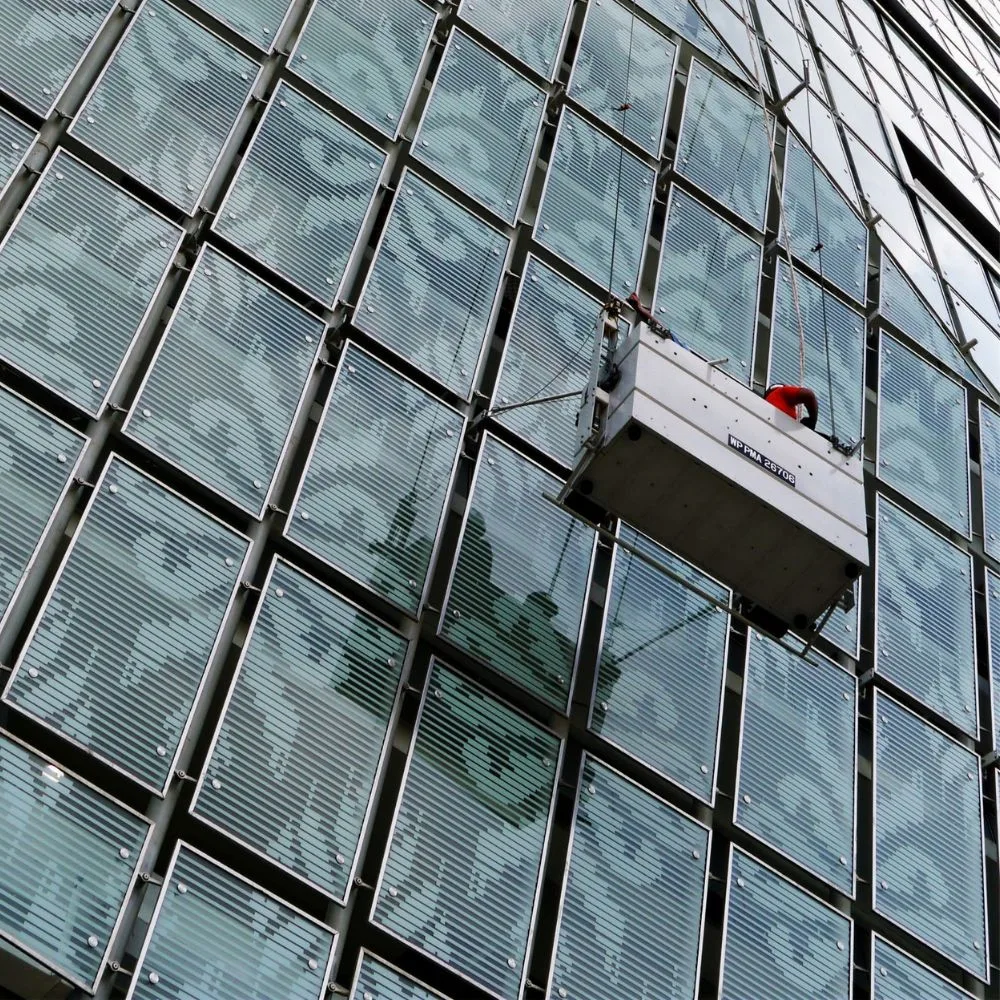
Put two inspection teams on the same 20-storey building. One arrives with a gondola, a permit-to-work file and a five-day schedule. The other arrives with two flight cases and finishes the visual survey before lunch on day two.
That gap is the entire argument for drone facade inspection — and it is not really about the drone. It is about everything the drone lets you skip.
Where the time actually goes in a manual inspection
The inspection itself is rarely the slow part. The overhead is.
A conventional access-based facade survey has to account for:
Access equipment mobilisation. Gondola rigging, or scaffold erection and dismantling. On a mid-rise building this alone can consume several days at either end of the job.
Work-at-height safety compliance. Risk assessments, permit-to-work, harness and anchor certification, supervisor presence, toolbox briefings. Every one of these is necessary. All of them cost hours.
Elevation-by-elevation repositioning. A gondola covers one drop at a time. Four elevations means repeated rigging cycles, and re-rigging around plant rooms, setbacks and roof geometry is slow.
Weather and occupancy windows. Suspended access in wind is a stop-work condition. So is a busy pedestrian frontage during business hours.
Coordination with occupants. Residents get advance notice, blinds get closed, complaints get fielded.
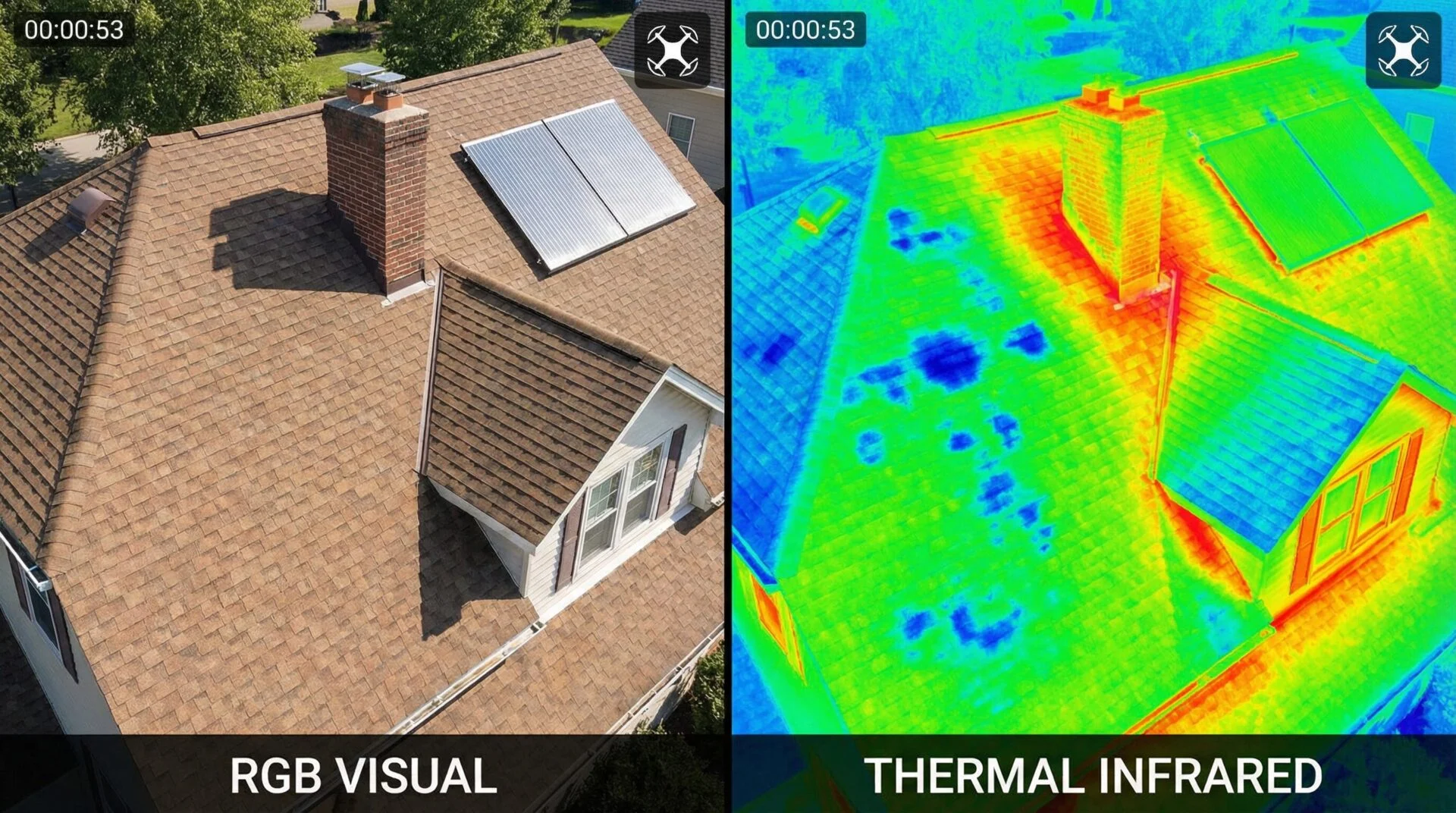
Drone-based visual survey compresses most of this. There is no rigging cycle. Elevations are covered in sequence in a single sortie plan. A flight aborted for weather costs the morning, not the week's scaffold hire.
The efficiency range you can expect
Comparative figures vary widely by building geometry, height and surrounding airspace, so treat any single percentage with suspicion. What holds consistently across projects:
Factor | Manual (gondola/scaffold) | Drone visual survey |
|---|---|---|
Site duration, mid-rise building | Days to weeks | Hours to a day or two |
Elevation coverage | Sequential, drop by drop | Continuous, full elevation |
Access cost | Substantial, scales with height | Minimal, largely height-independent |
Work-at-height exposure | High | Effectively eliminated for the visual stage |
Image record | Photographs taken by hand at close range | Systematic, geotagged, repeatable |
The cost saving concentrates in access. On a tall or geometrically awkward building, access equipment can be the single largest line in a manual inspection quotation. Removing it from the visual stage is where the double-digit percentage savings come from — which is also why the saving is larger on tall buildings and smaller on low ones.
[Insert your own project comparison here: building height, elevations, manual quotation vs drone quotation, days on site for each. Real numbers from your own jobs will outperform any generic industry statistic for both credibility and SEO.]
Faster is only useful if it's compliant
Speed that produces a report BCA won't accept is worthless. Two things matter here.
First, accreditation. The Commissioner of Building Control has approved the use of unmanned aircraft systems operated by accredited UAS service providers for the visual inspection of building facades, and the industry is encouraged to engage only accredited providers — verifiable through the Singapore Accreditation Council website. SAC opened its accreditation area for building facade inspection using drones in July 2023, under technical requirements covering UAS-based facade inspection and the quality management and application of AI in that inspection.
Second, the drone does not replace the whole inspection. The Competent Person carries out a full visual inspection and a representative hands-on inspection for each elevation. The drone accelerates the first. The second still requires physical access to a representative portion of each elevation — hammer tapping and close-range tactile checks pick up hollowness and delamination that no camera resolves.
So the honest framing is not "drones replace manual inspection." It is "drones remove access cost from the 90% of the facade that only needs looking at, so your access budget goes where hands are actually required."
That reframing is where the real economics sit, and it is what makes more frequent interim surveys affordable. You are not paying to rig a gondola across four elevations to find the three areas that need attention. You are flying first, identifying the areas, then rigging once, in the right place.
The safety argument that finance teams underrate
Work at height remains one of the most significant causes of serious workplace injury in Singapore's construction and maintenance sector. Every hour a technician spends suspended on a facade is an hour of exposure.
Removing the visual survey from suspended access removes most of those hours. That shows up in insurance conversations, in tender scoring on developments with strong WSH requirements, and in the incident record you carry into your next contract. It is difficult to put a percentage on, which is exactly why it tends to be left out of cost comparisons that it should dominate.
What drones don't speed up
Being straight about the limits makes the rest of the case stronger:
Permits. Commercial drone operation in Singapore requires aviation permits, and processing takes weeks, not days. Plan the lead time in.
Restricted airspace. Proximity to airbases, Changi, and other controlled zones can constrain or prevent operations at some addresses. This must be checked before quoting, not after.
Subsurface defects. Delamination behind sound-looking render, corroded anchors behind cladding, and voids in adhesive beds are hands-on or instrument findings. See what drone inspection can and cannot resolve.
Report writing. The Competent Person still reads every image, forms a professional judgement, and signs. Faster data capture means more images to review, not fewer.
What to ask a provider
Before you accept anyone's efficiency claim, ask:
Are you SAC-accredited for building facade inspection using UAS, and can I verify it?
What image resolution do you deliver, and does it meet BCA's requirement for defect photographs?
Who holds the aviation permits, and what lead time do you need?
How do you handle the hands-on portion — in-house, or coordinated with the Competent Person's team?
Can I see a sample defect report from a comparable building?
A provider who answers all five without hesitating is one whose speed numbers are probably real.
The bottom line
Drone inspection is dramatically faster and cheaper than access-based inspection for the visual survey stage — and the taller and more complex your building, the wider the gap. It does not eliminate the Competent Person, the hands-on sampling, or the regulatory process. What it eliminates is spending most of your budget getting a person next to a wall that turned out to be fine.